Pedro Lobo is a graphic designer who could be identified as a visual artist and researcher. His ongoing work seeks to activate messages through a dialogical approach while taking a collaborative position at its core.

Pedro’s work specializes in crafting visual identities through art direction, design strategy, editorial design, web design, and moving image with a focus on storytelling.

If you want to collaborate, work, or just to say hi, get in touch!

pedrolobodesign@gmail.com


Education

Master of Arts in Fine Art and Design
The Critical Inquiry Lab
Design Academy Eindhoven
 
Bachelor in Communication Design
ESAD - Escola Superior de Artes e Design


Work
2019 – Present
Communication Designer
Freelance

2022—2023
Graphic Designer
esad—idea

2023
Graphic Designer
Porto Design Biennale


Clients & Collaborators
● Nederlands Philharmonisch Orkest
● Nederlands Kamerorkest
● Rua das Gaivotas 6
● Porto Design Biennale
● Studio Andrew Howard
● André Cruz Studio
● esad—idea
● ESAD, Matosinhos
● Casa do Design Matosinhos
● Inês Nepomuceno
● Susana Martins
● MAAT Saxophone Quartet
● Rita Palha Lopes
● Nuno Lobo
● Agostinho Sequeira
● Casa da Música, Porto
● Rui Santos
● Conservatorium van Amsterdam
● Netherlands Food Parternship
● Afonso Sereno
● Gustavo Nina
● Sketch 351
● Design Academy Eindhoven
● Vlad Braga
● Carolina Feijó
● Daniel Bertini
● Miguel Howard
● Eva Lotta Landskron
● Louisa Wolf
● John Carrillo
● Anna Perugini


Social

Instagram
Linkedin
Behance


The Village of Dom

(2021)

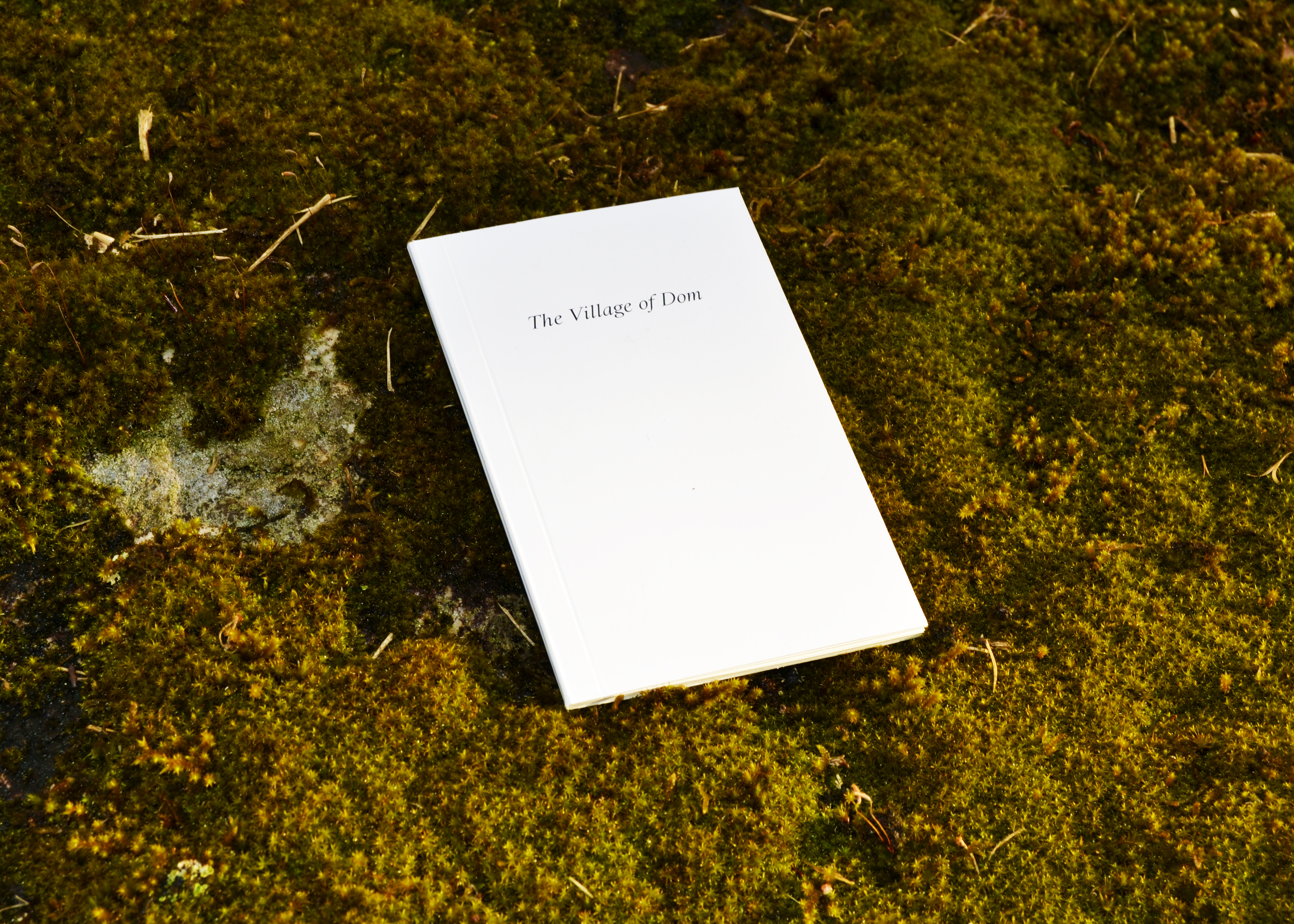
The Village of Dom

Between Possible Histories and Contigent Futures

Research / Editorial / Writing

(2021)


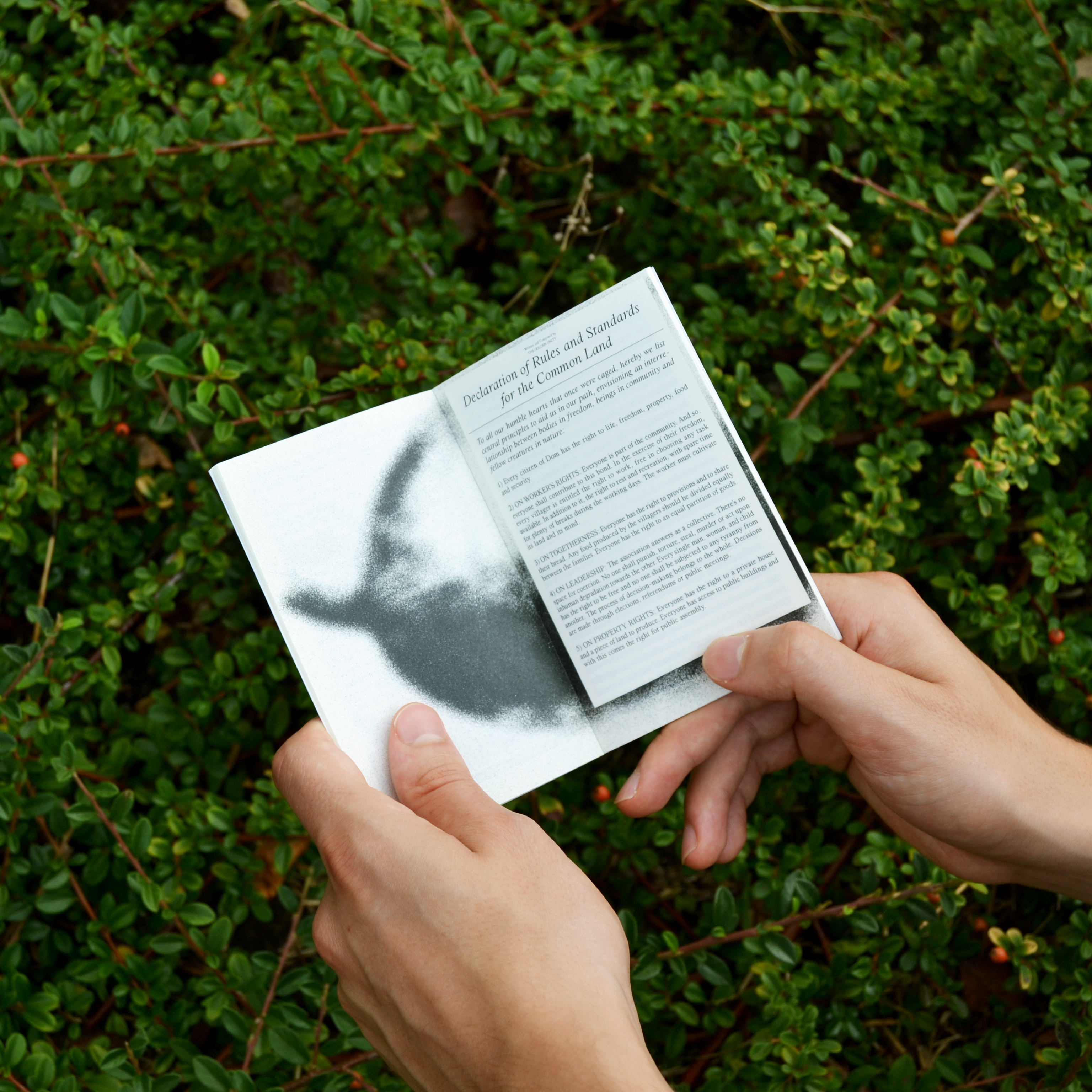
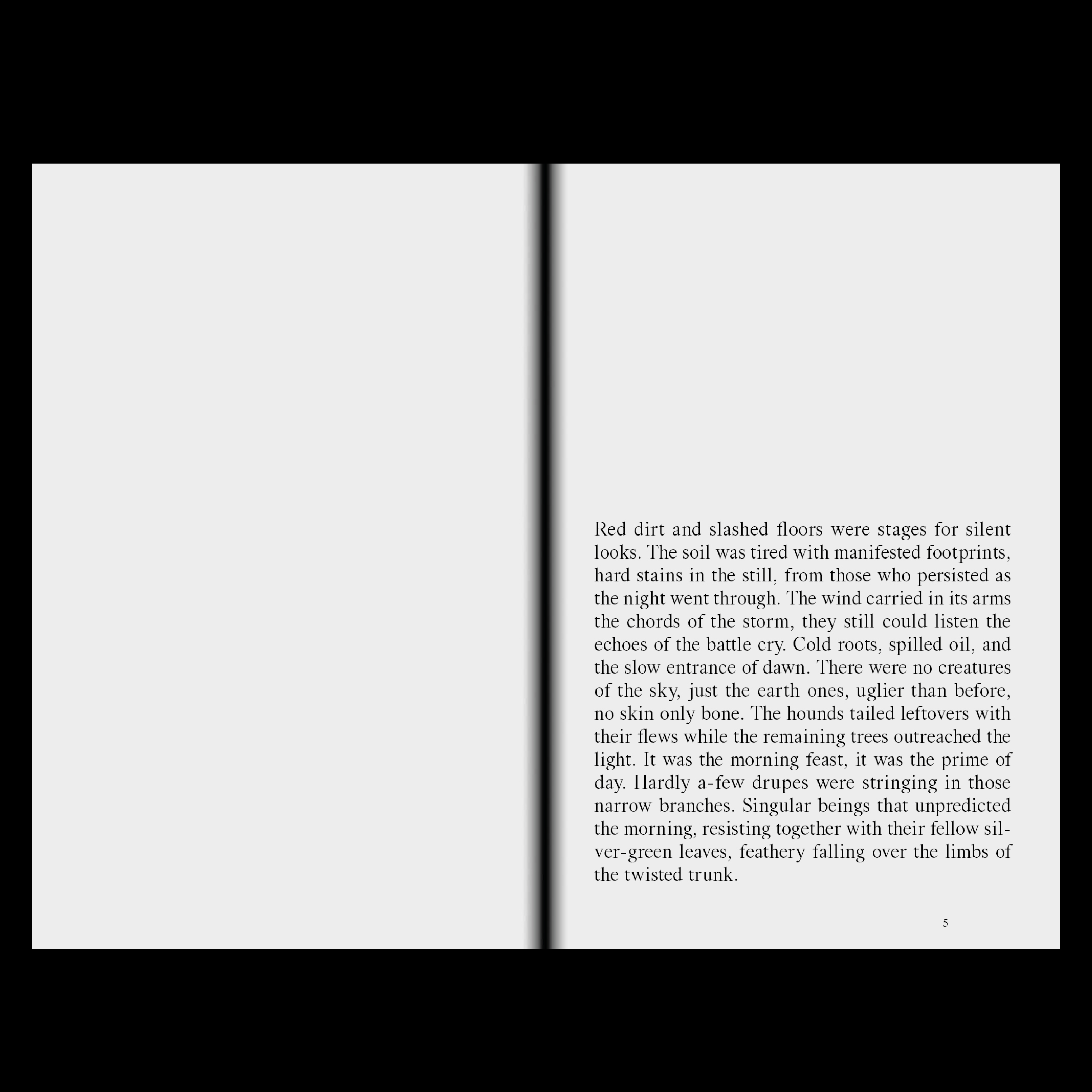
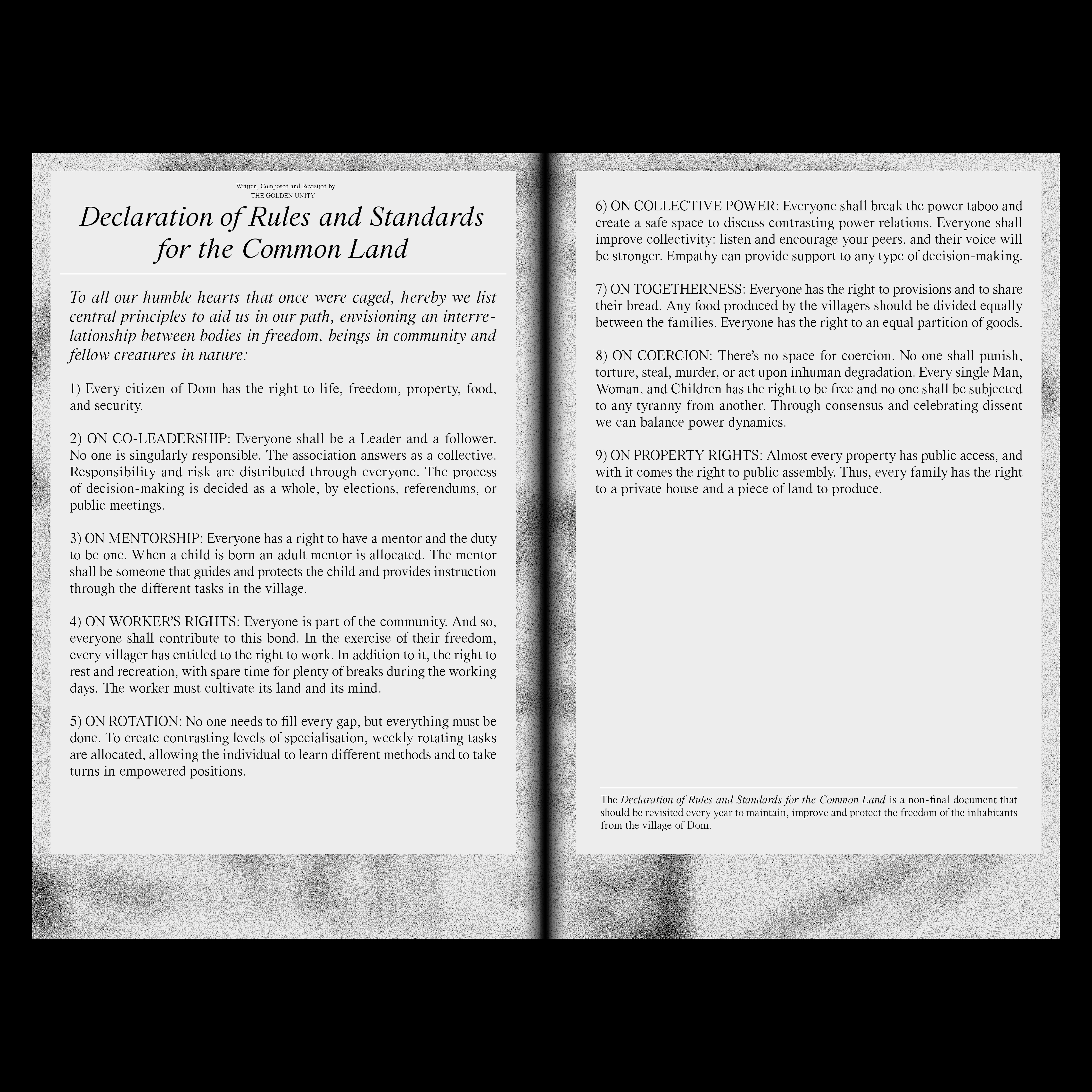
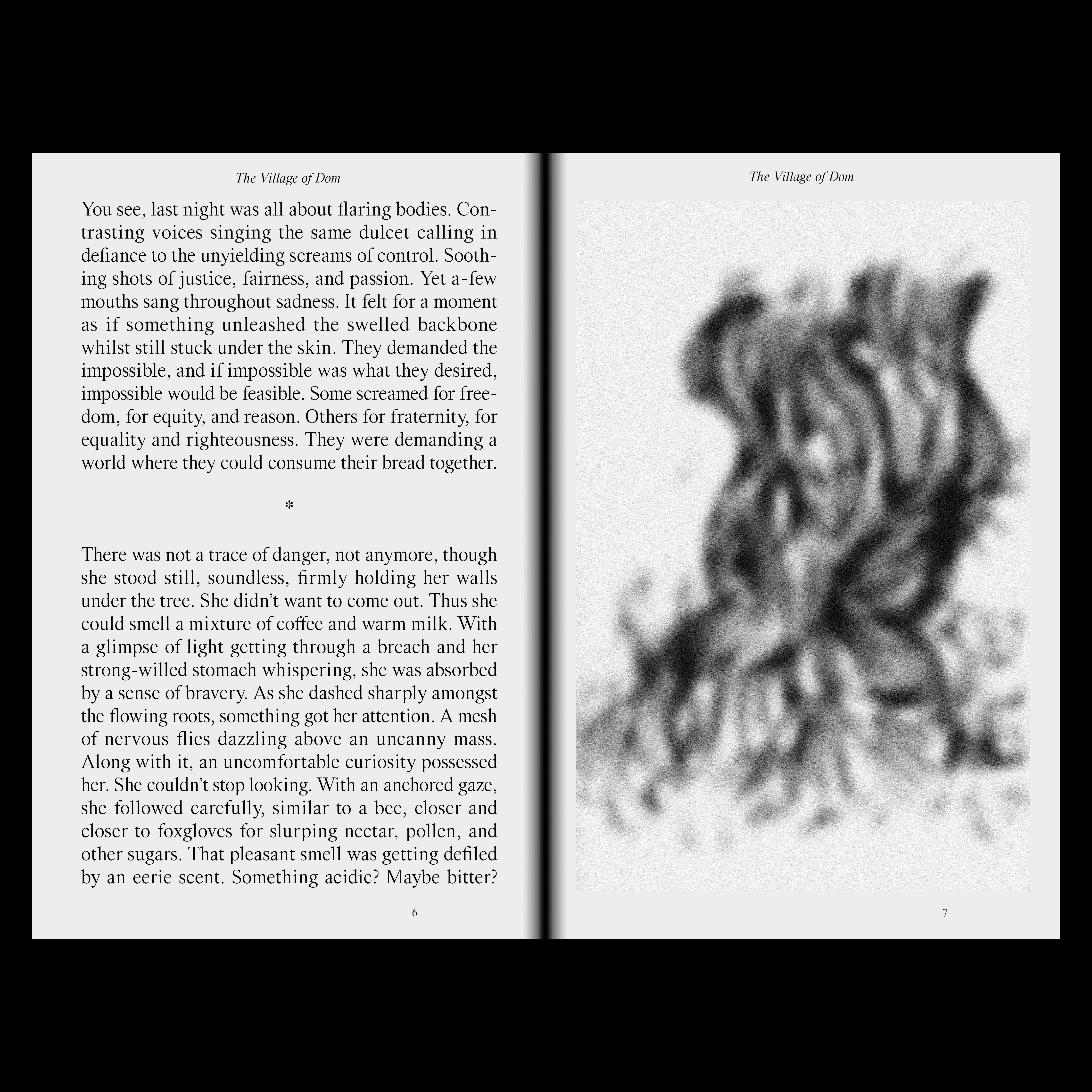
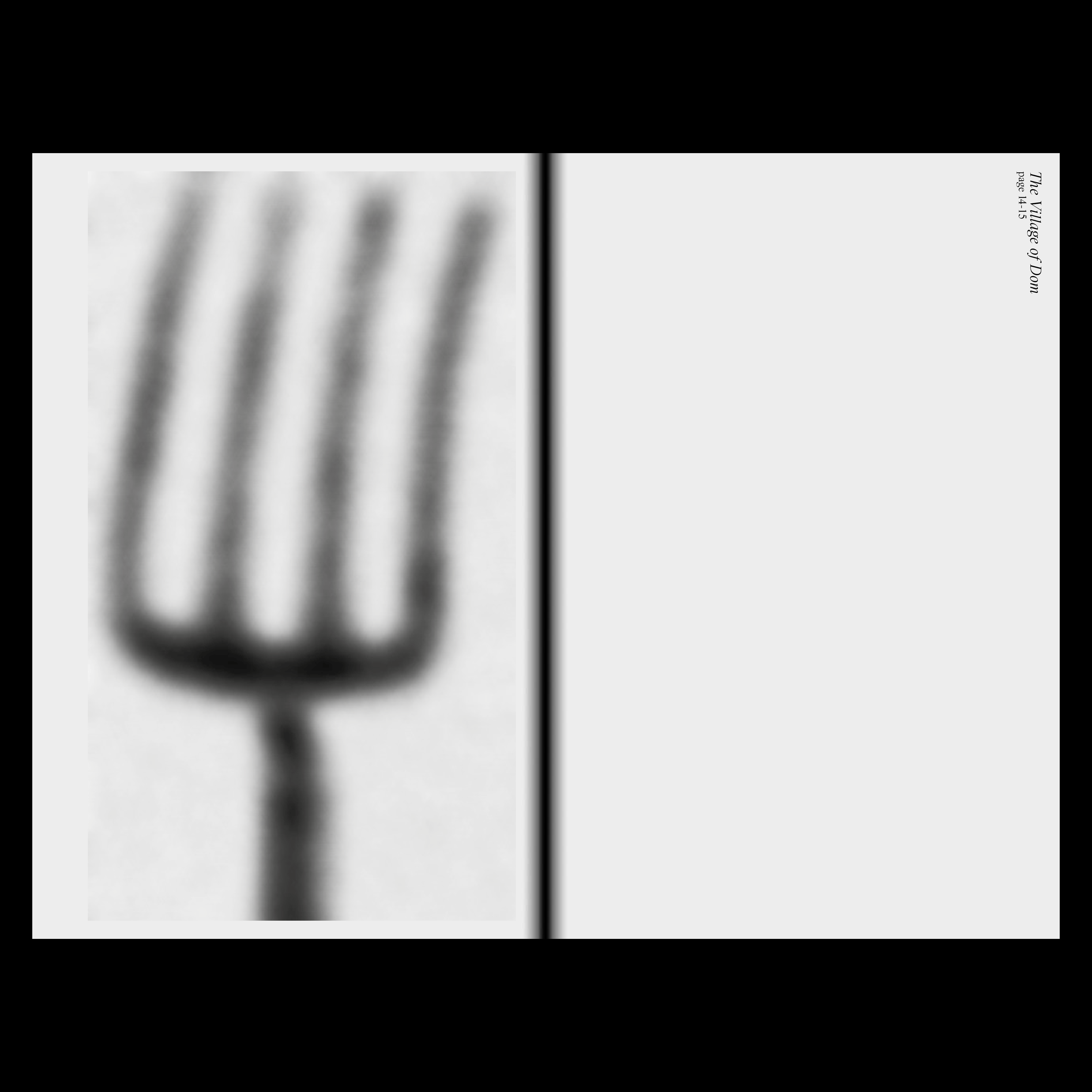
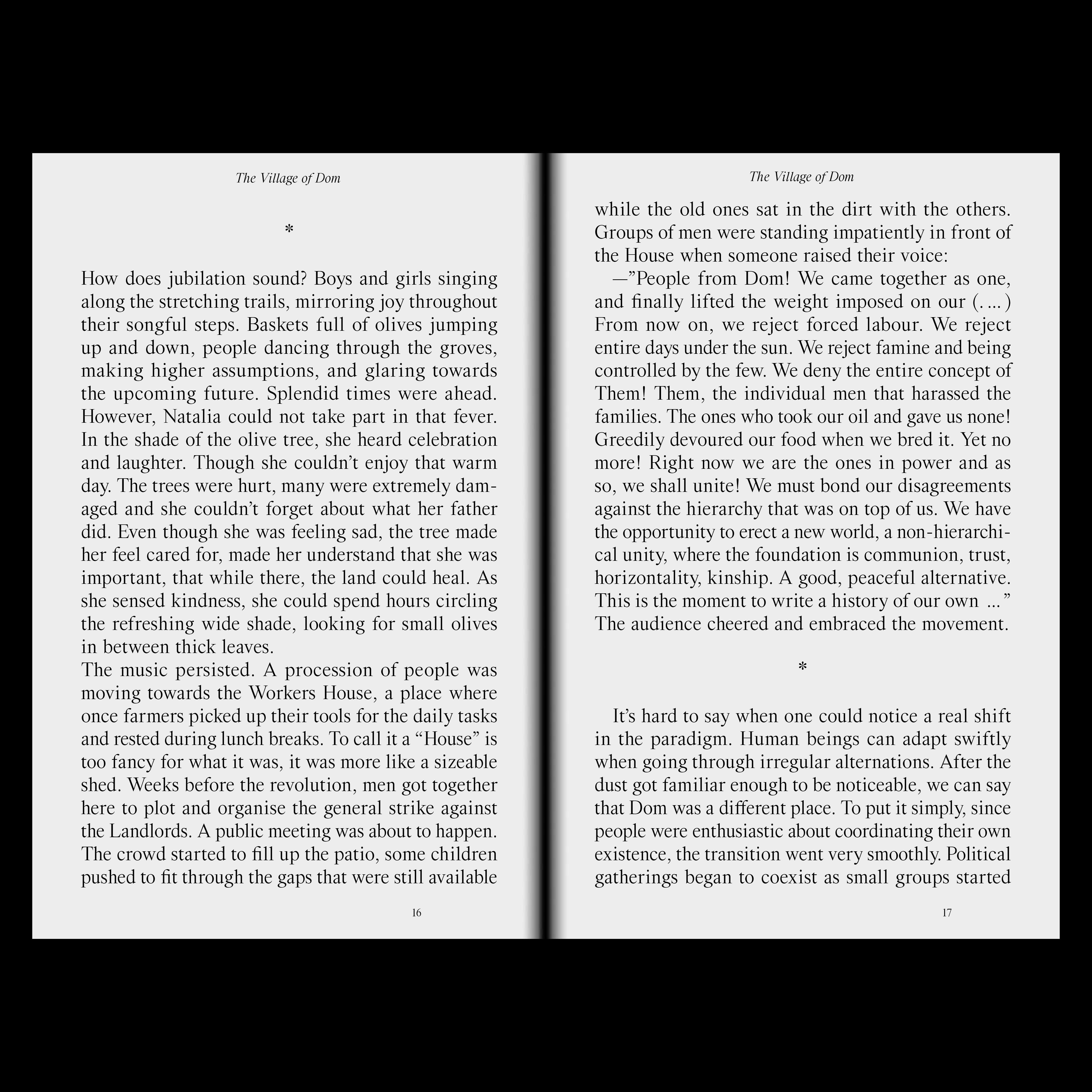
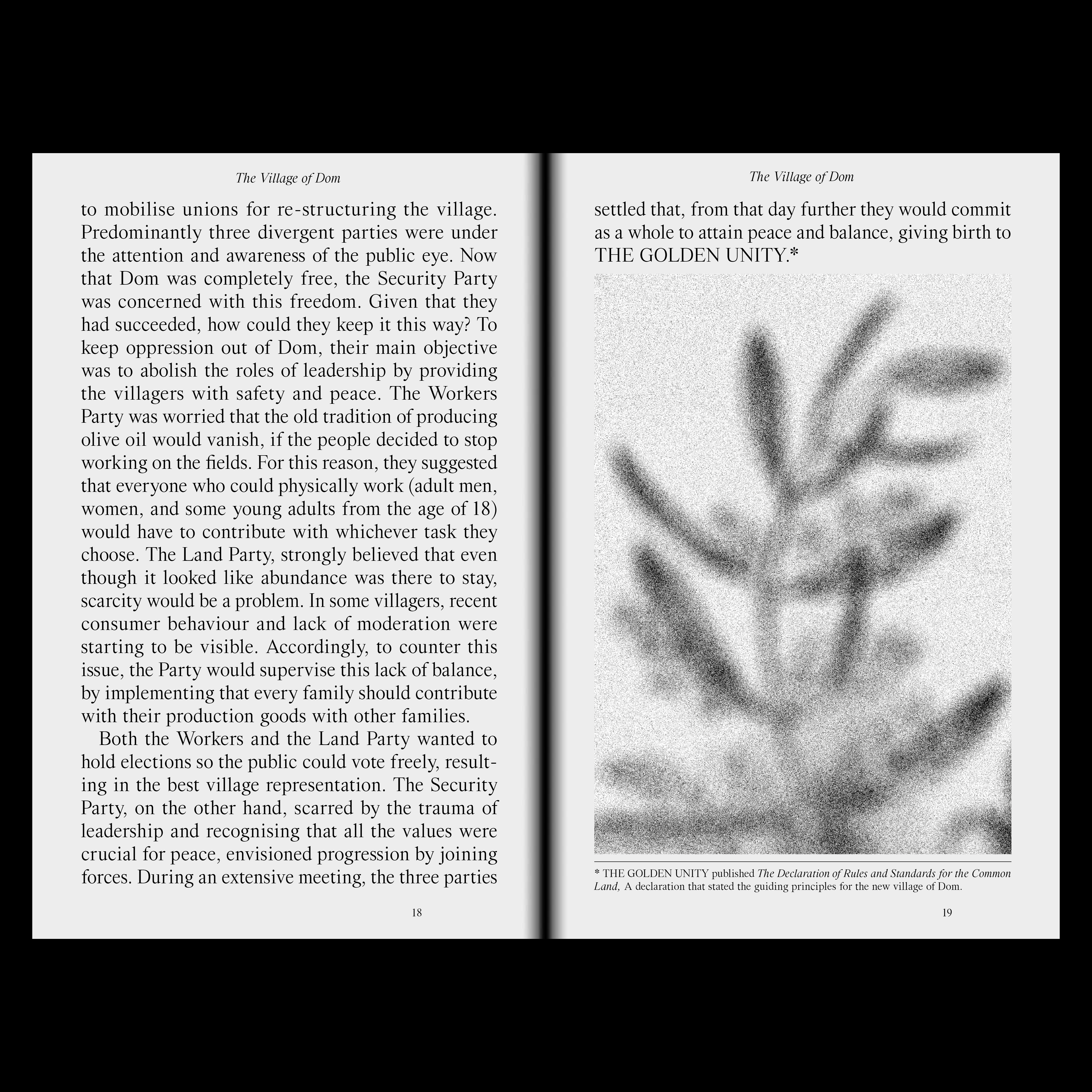
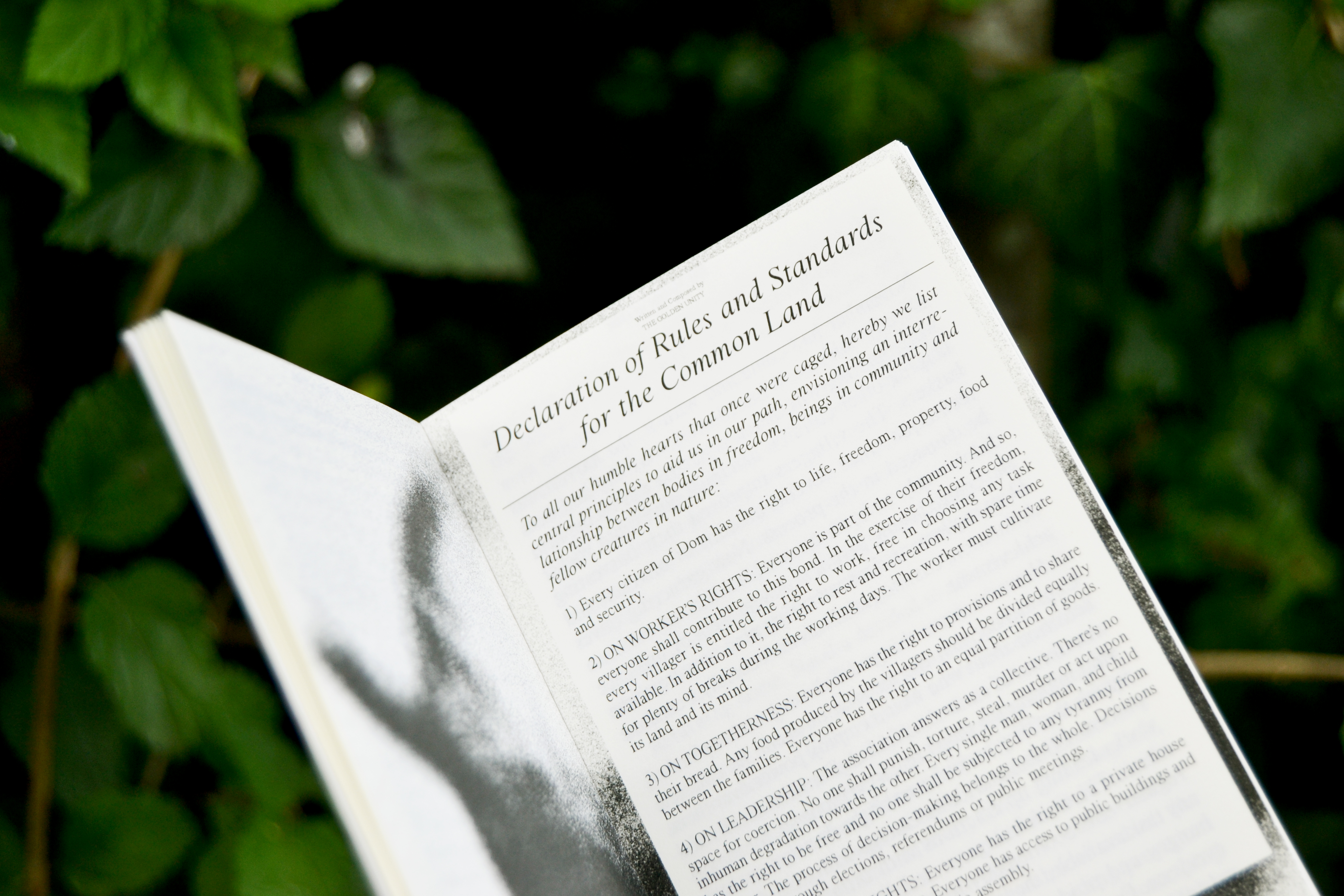
In the village of Dom, there is a mythical light that grows in every garden. Its radiance is as pure and untouchable as the sun itself, and it holds the promise of a life free from hopelessness. The villagers whisper rumours about this light, its healing properties, and the remarkable changes it brings to those who dare to drink it. But the light is elusive, guarded by a tyrannical regime that seeks to control the villagers and perpetuate a toxic hierarchy that stifles their potential. Despite the danger, some are willing to risk everything for a chance to experience the transformative power of this light.
Through the eyes of Natalie, a young girl born into this world, we witness the determination of the hardworking people who bear the weight of oppression. With each passing day, she sees the villagers striving to replace their toxic systems with informal structures that are aware of power dynamics.
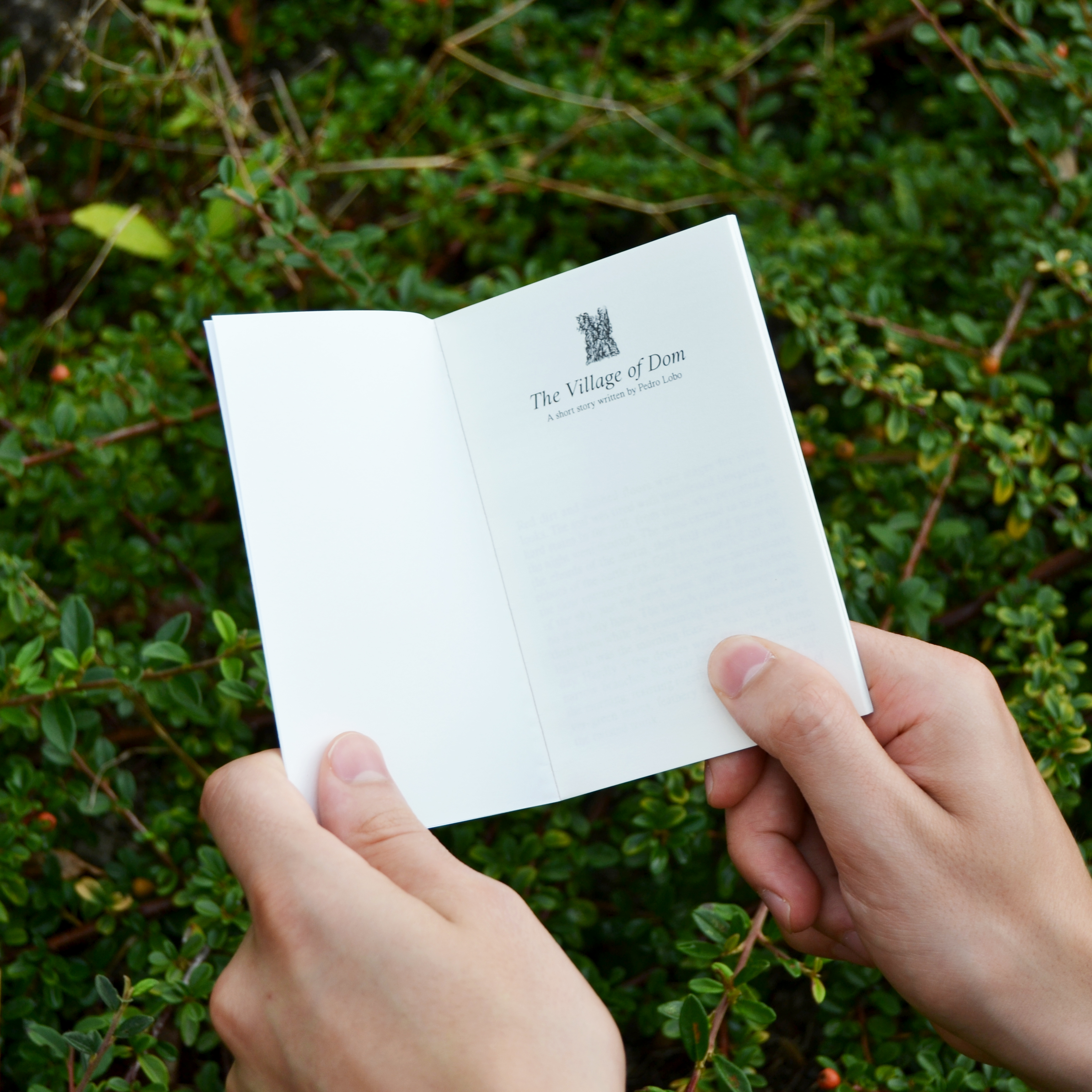
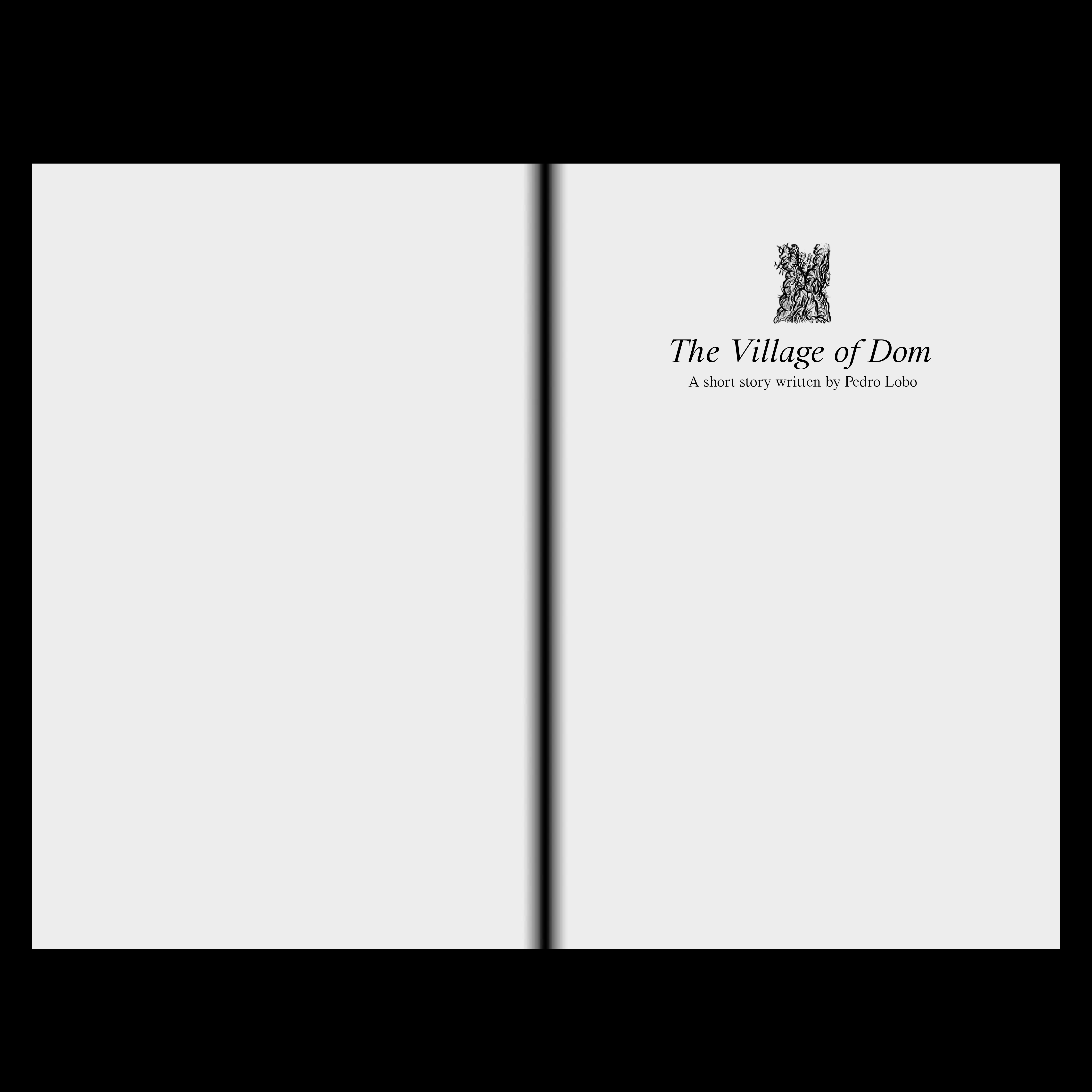
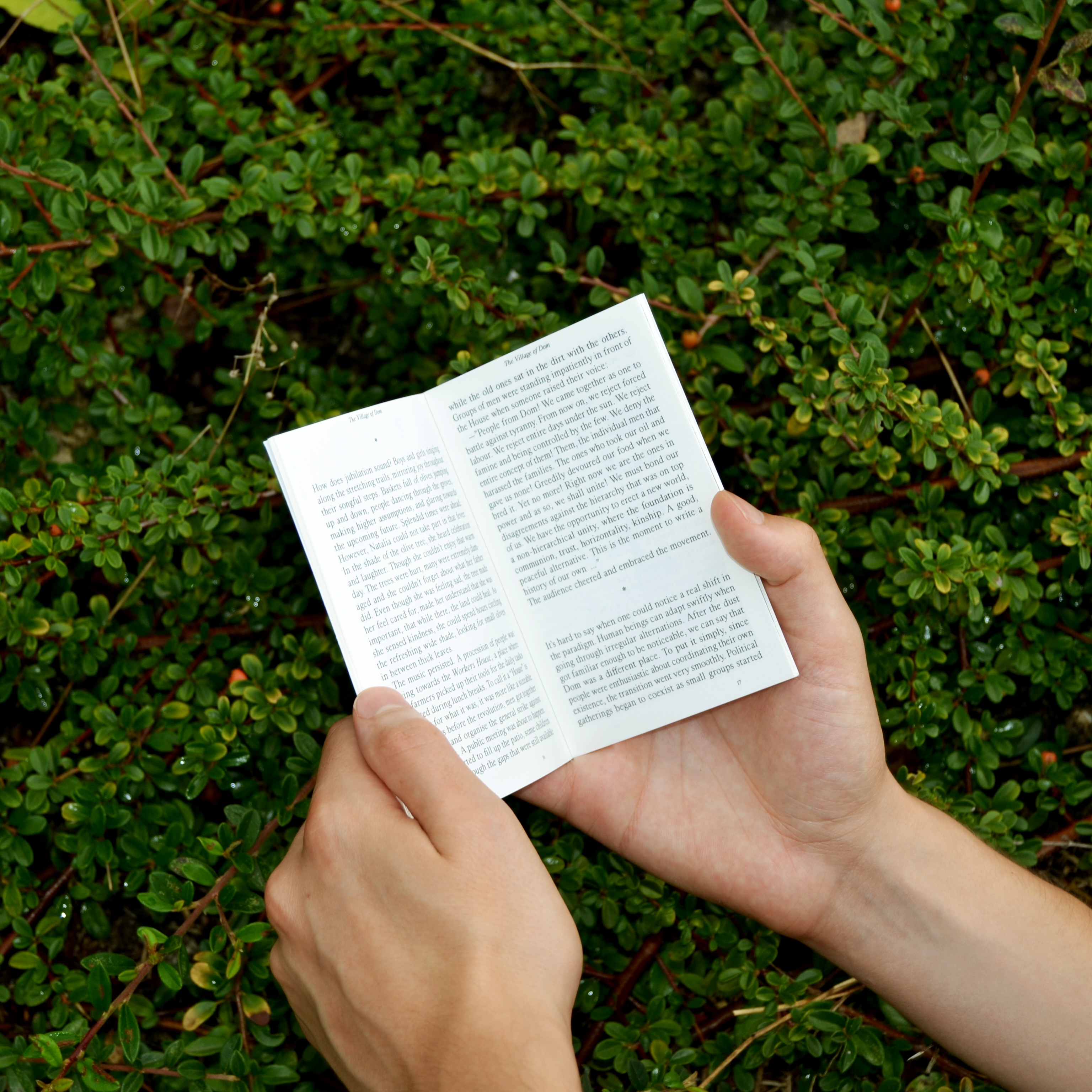
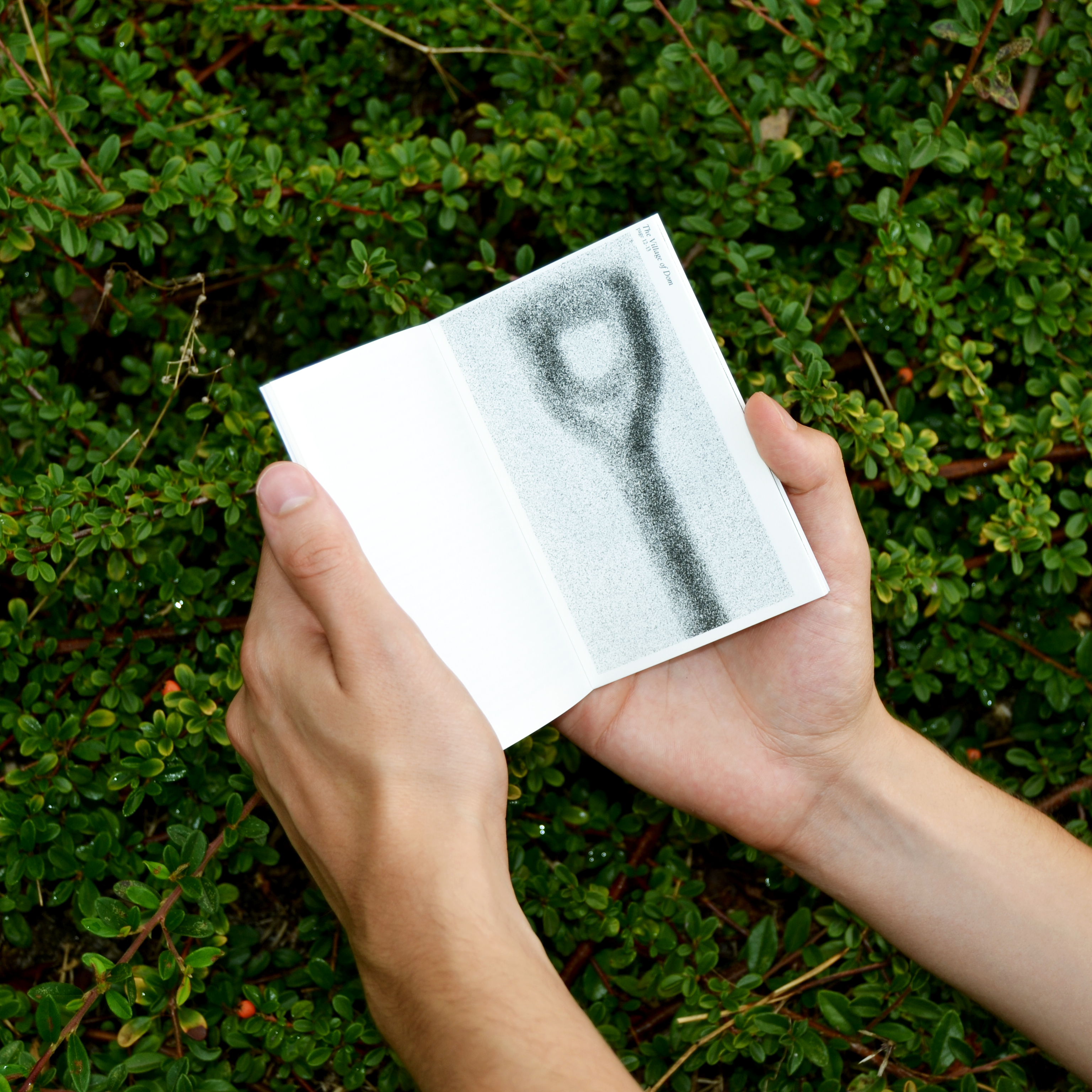
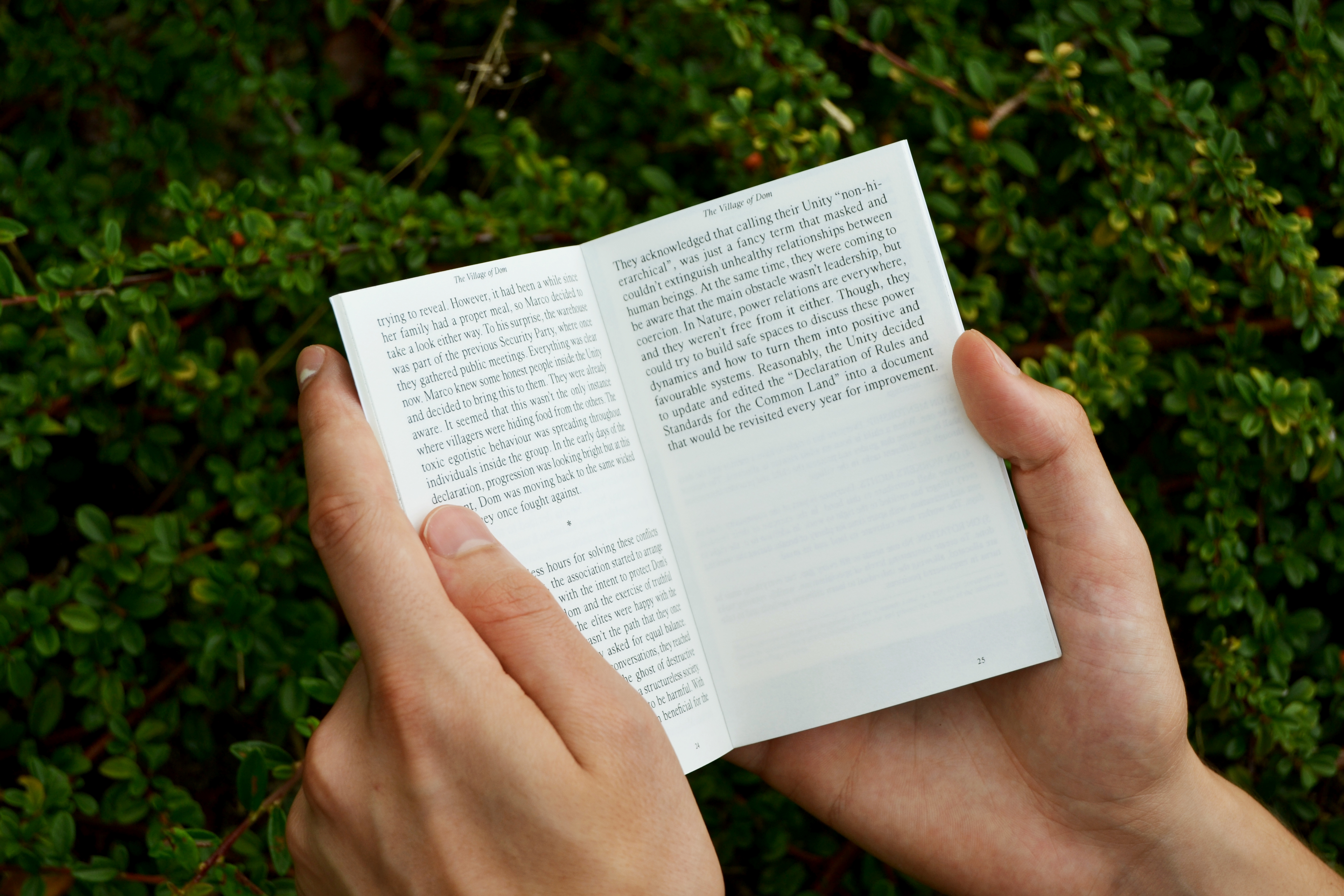
"The Village of Dom" is a work of speculative fiction that explores (im)possibilities of utopias. This project aims to investigate the impact of hierarchical power structures on social cohesion and collective action within communities, and to explore how informal structures can promote more equitable distribution of power and decision-making. Additionally, this project seeks to understand how speculative fictions can help us to envision alternative futures and challenge dominant narratives about social organisation.


  1. Research, Design, Writing
    Pedro Lobo


  2. Format

    Book, 85 x 130 mm